Fast to Build, Slow to Finish
With an AI agent, the code for a new site comes together surprisingly fast. Getting it to look and behave the way it should takes a lot longer. A few bugs that no syntax check will ever catch.
Hey, I'm Sebastian. I build things because I enjoy it, these days with AI as a serious tool in the workflow rather than a gimmick — this is just my little corner of the internet to show a few projects and write down what's on my mind.
From tiny automations to full-blown apps — I lean on AI tooling as a standing part of the process, not a crutch, and mess around with all of this simply because it's fun, not because I have to.
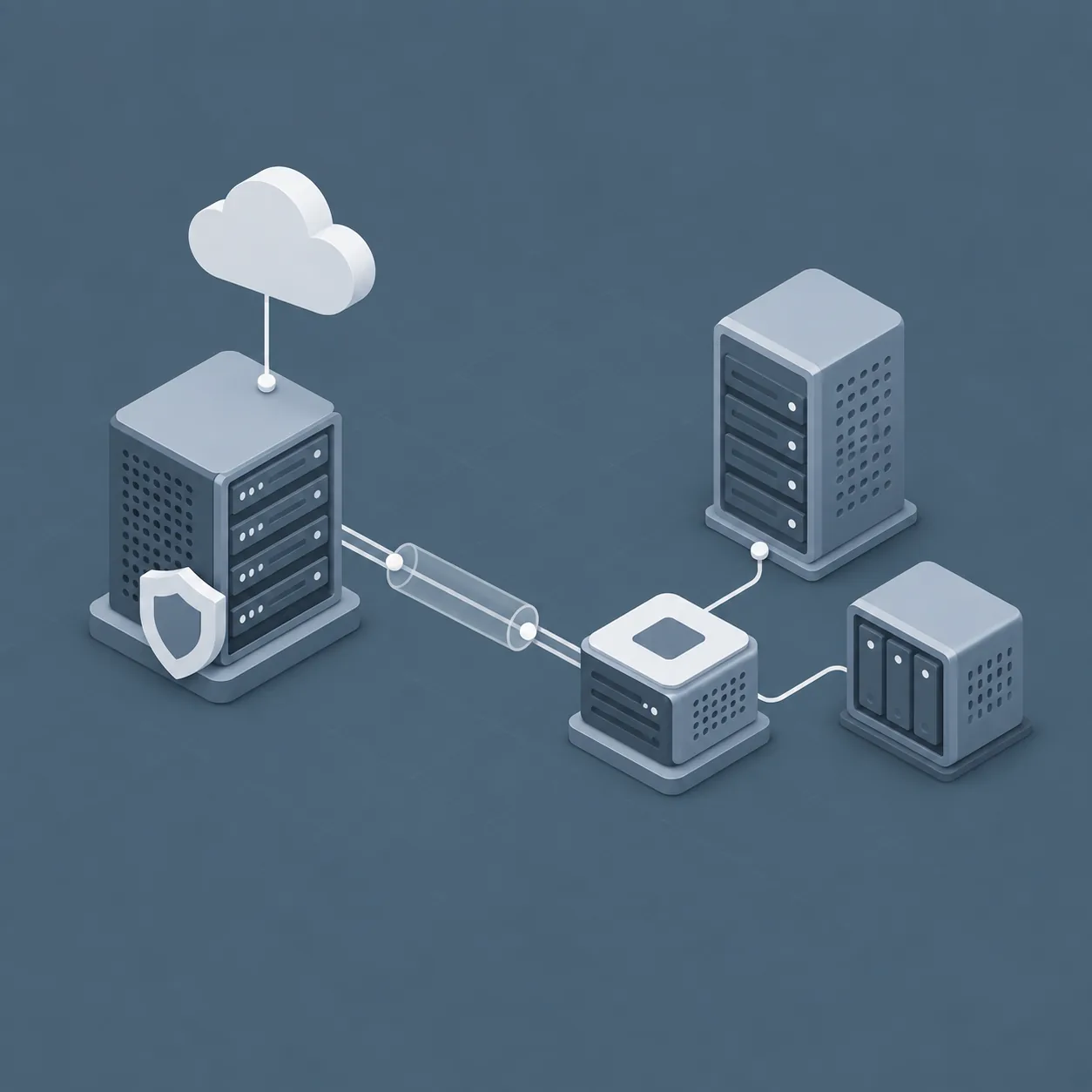
This site and several of my projects run on servers I set up and operate myself. Only a rented VPS faces the internet: NGINX Proxy Manager, fail2ban and a WireGuard hub linking every machine. Behind it, a home server without public access hosts my own Git server, Nextcloud, DNS and a dev instance per project. A push to main deploys via Forgejo Actions. A Proxmox host runs local models and an isolated pentest lab.
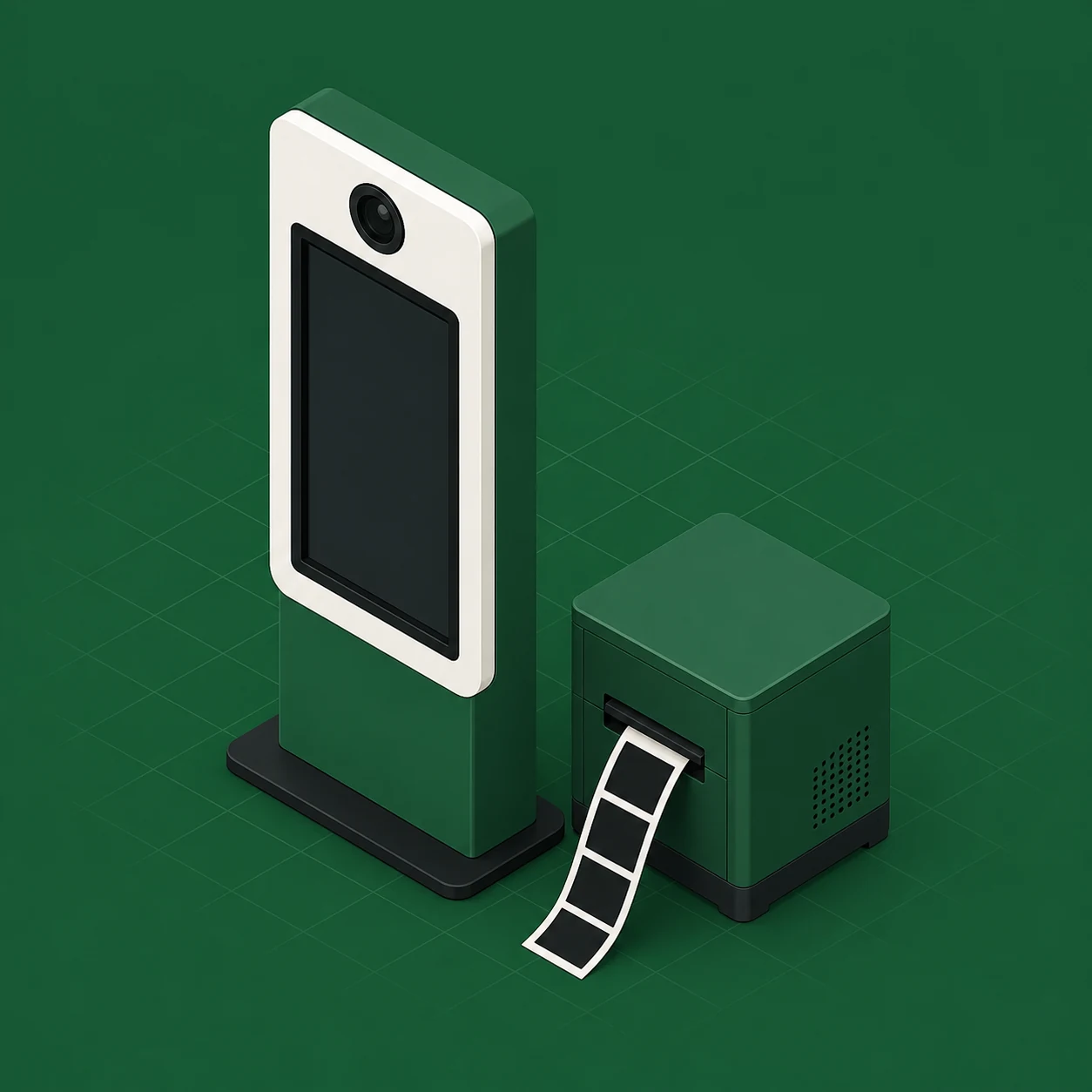
C#/.NET WPF kiosk app built to run entire multi-day events unattended — direct DNP/Canon SDK calls for driver-level printer control, a live camera feed pipeline, and a custom template renderer. One codebase powers several white-labeled booth products and holds uptime for days without a restart or a memory leak.
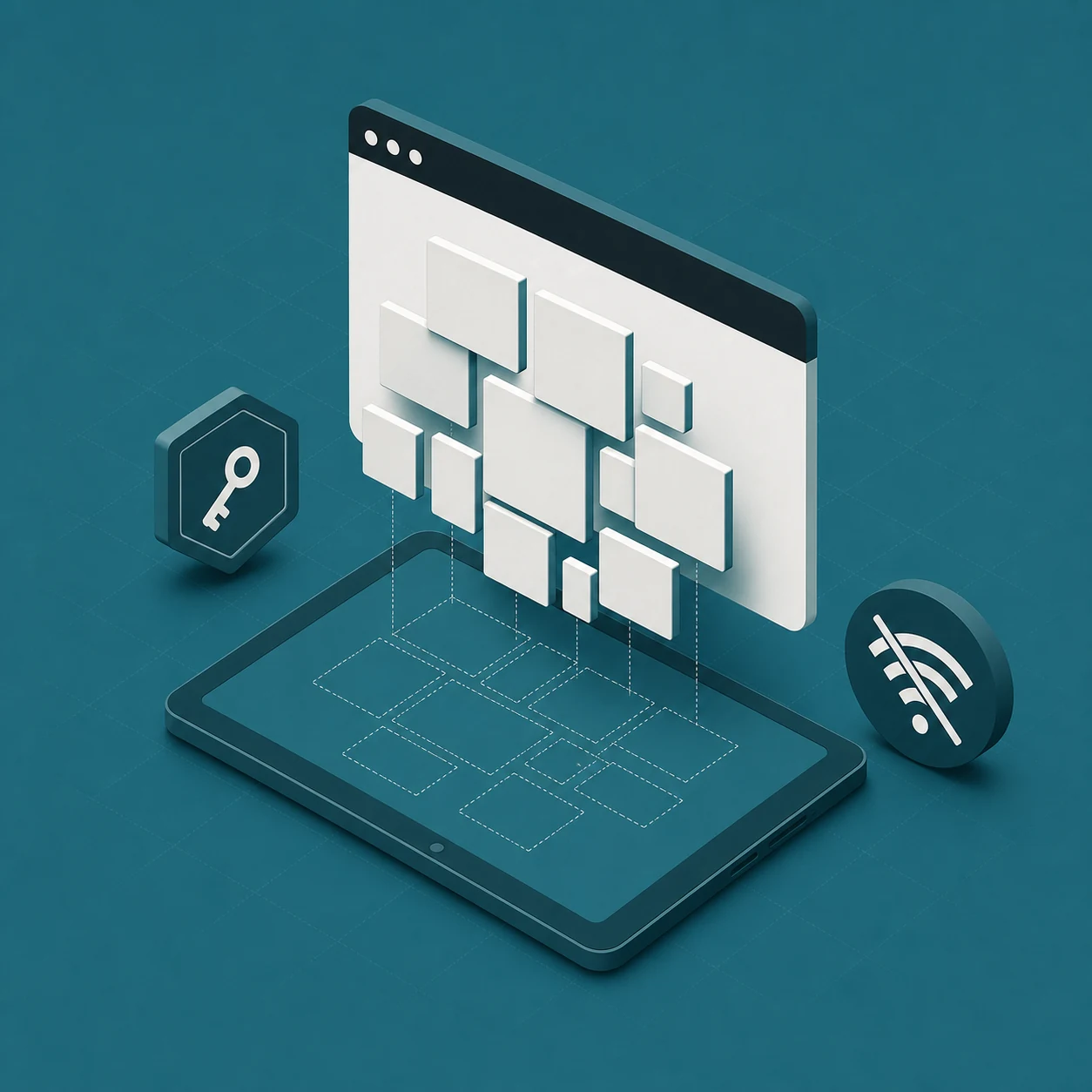
boothOS — the photobooth rebuilt as a browser app, currently in development. On a webcam it runs with nothing installed: capture, collage compositing, filters, saving and the browser print dialog. Everything beyond that comes from a local Python service on Windows — Canon DSLR through the EDSDK via ctypes, real printer status, USB, Wi-Fi, and running an event fully offline. A multi-tenant PHP/MariaDB dashboard drives events, designs, galleries and billing; ECDSA-signed license tokens stay valid offline, billed per event, per booth, or from an AI credit balance.
View project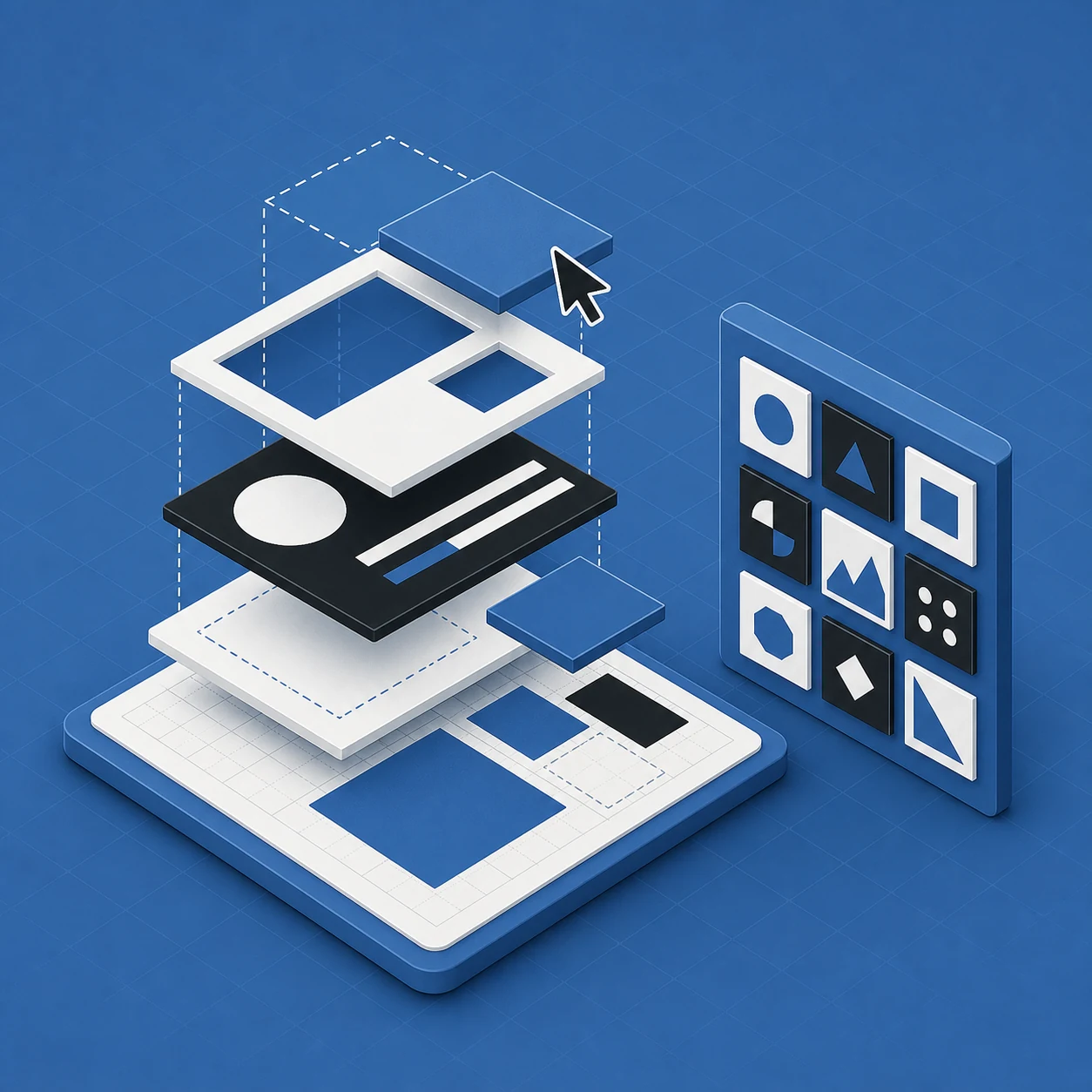
Browser-based drag-and-drop template editor for the photobooth stack — live canvas preview backed by a shared clipart/template library in PHP + MariaDB. Exports straight into the exact binary layout format the booths read on-site, so editor output and runtime format never drift apart.
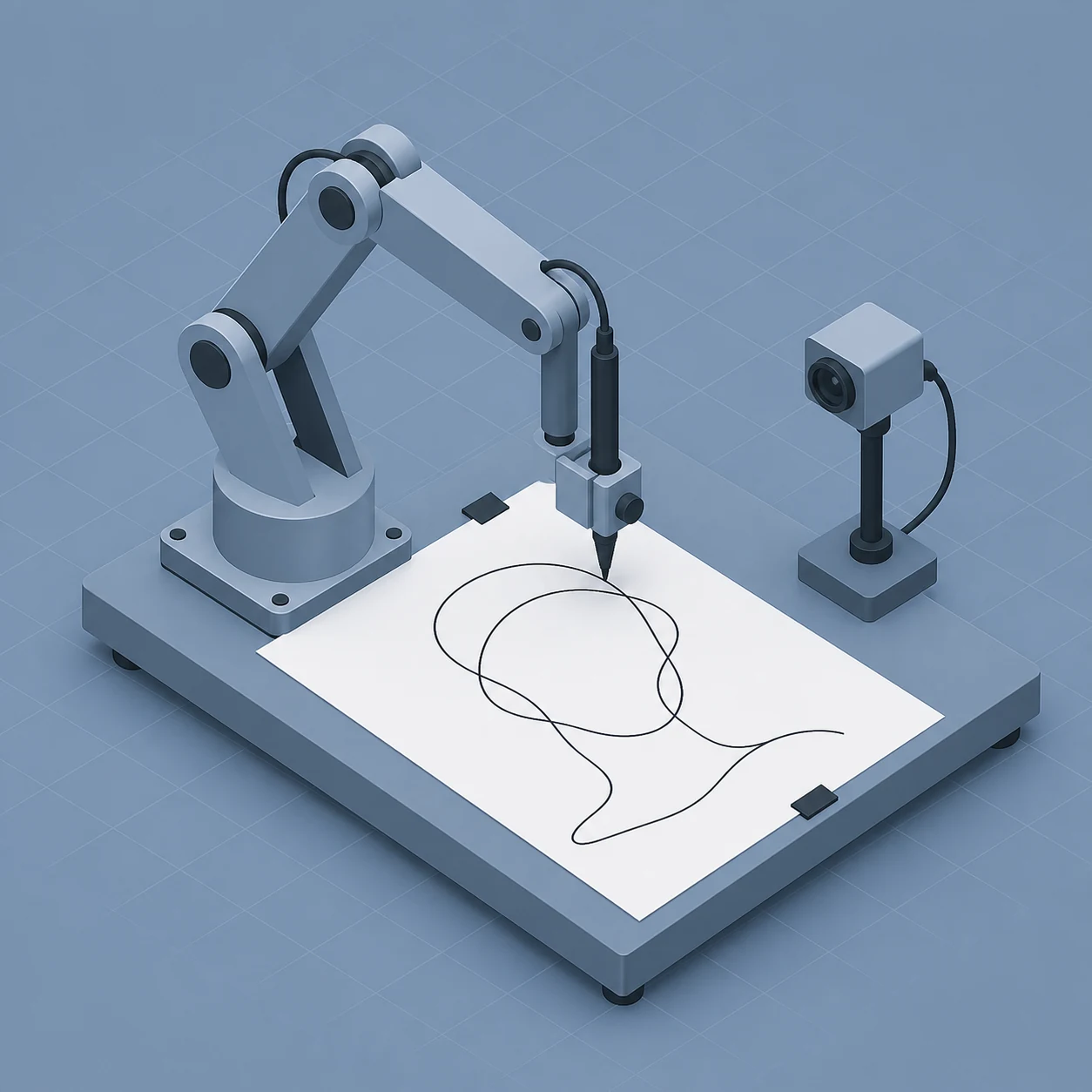
Turns event photos into live cartoon portraits, drawn in real time by robotic arms — the guest-facing photo capture and AI stylization step used to be a separate product, now it runs inside one unified pipeline. Full flow from AI-styled photo through SVG-to-G-code conversion to Rotrics DexArm pen-plotter strokes, controlled straight from the browser via the Web Serial API; sold as an event-tech product with its own subscription model.
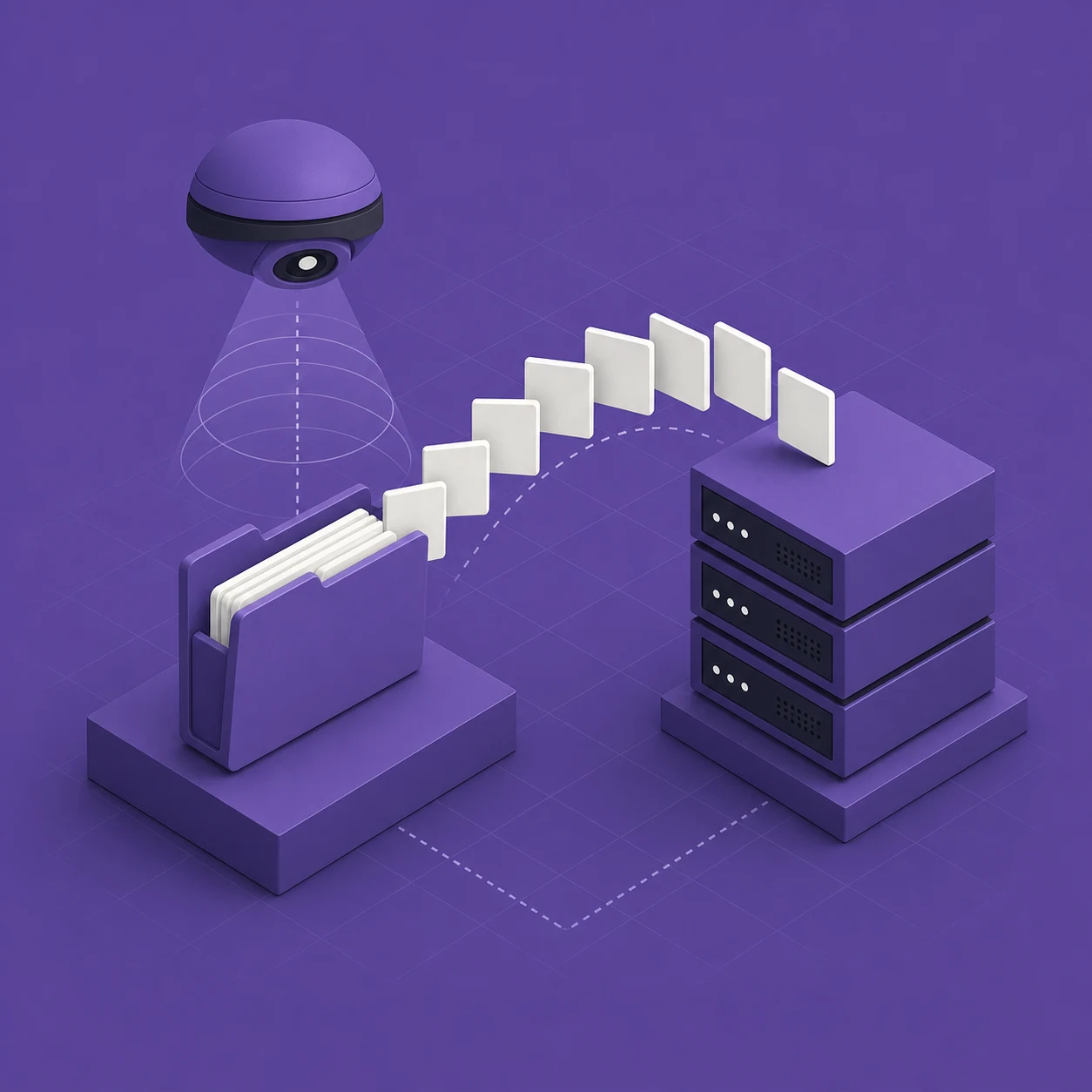
C# filesystem watchdog that trails WinBooth, catches finished event photos the moment they land, and pushes them out via FTP in real time. Shipped as its own standalone licensed product with an independent update channel and activation system — field-tested under real event load, not a lab demo.
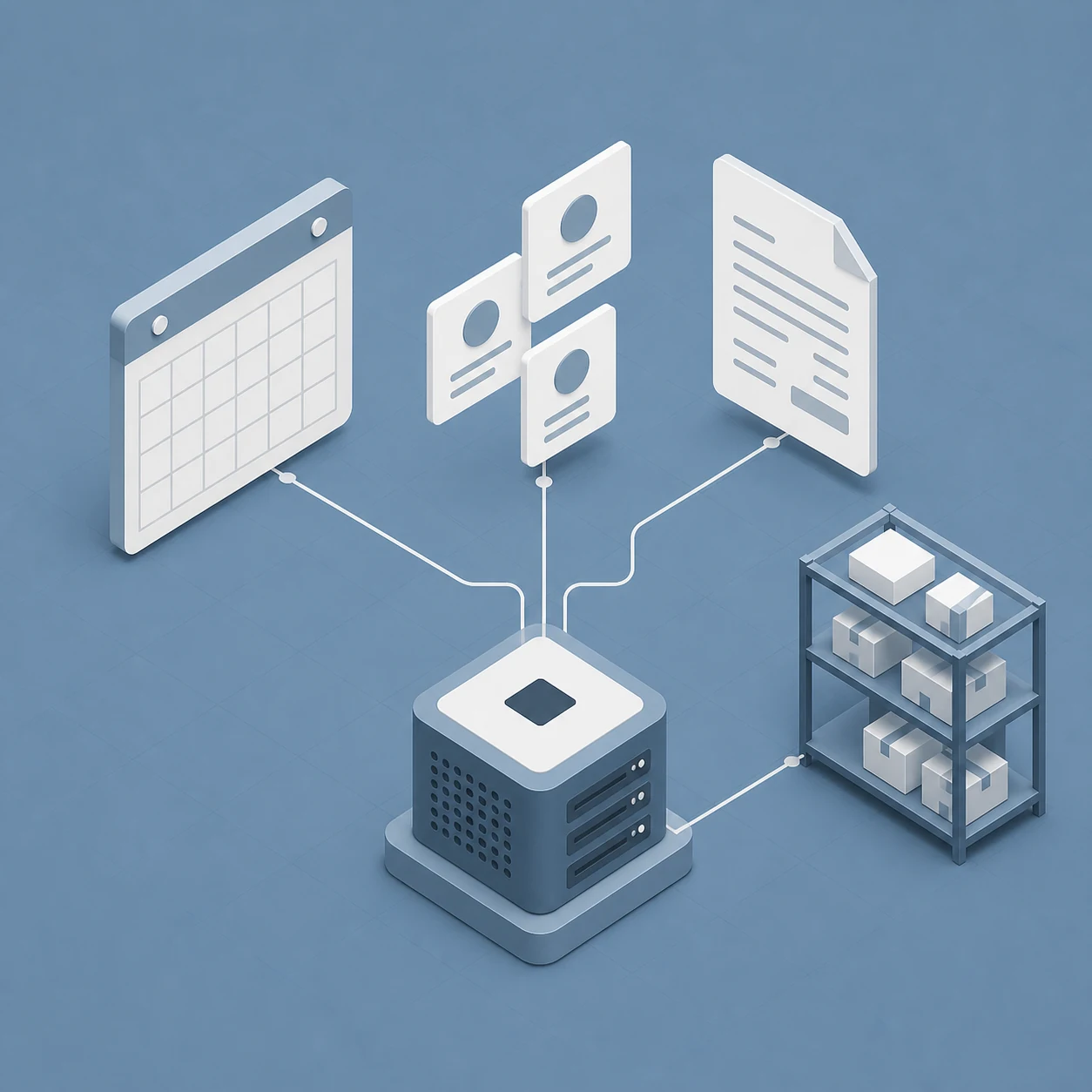
Multi-tenant SaaS for beauty studios — Node/Express + MariaDB running booking calendar, customer records, inventory, and invoicing in one stack. Tenant isolation, licensing, and role-based permissions all run on shared infrastructure, no per-customer deploys.
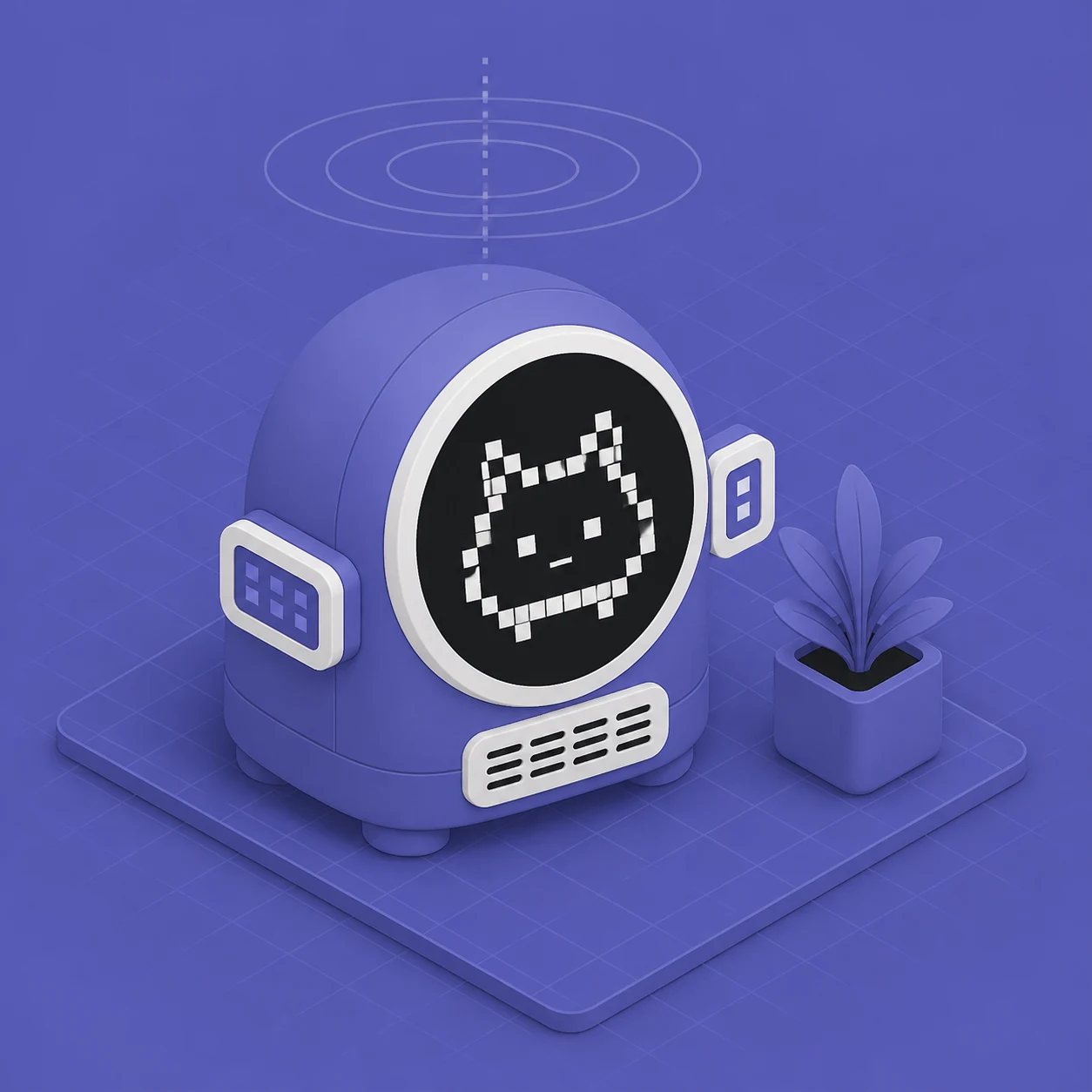
A physical desk pet, currently under construction, that literally eats AI token usage as food — ESP32 boards drive a round face display plus two status panels, a CO2/temperature/humidity sensor sets its mood, and live weather and overhead-flight data feed in over MQTT. An LLM writes its reactions live based on what is actually happening around it, with a full voice pipeline (mic, speech-to-text, speech synthesis) planned so it can actually talk back.
View project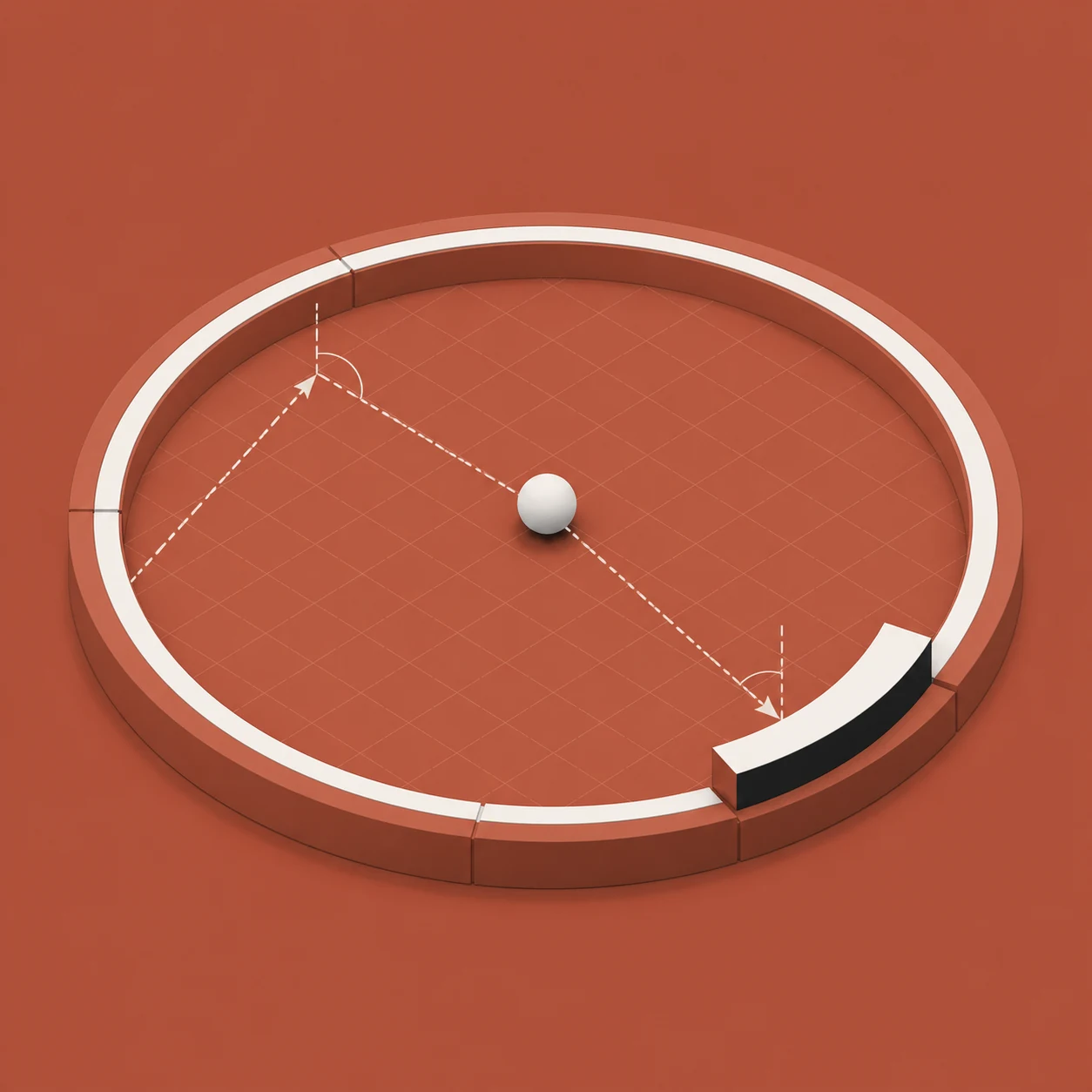
A single-player Pong rebuilt from scratch — except the court is a full 360° circle and you are defending the entire perimeter, not one paddle on one side. Flask/Python backend with MariaDB-driven content, real-time paddle physics and collision detection running on plain HTML5 Canvas — no engine, no WebGL, just requestAnimationFrame and trigonometry.
View project